
Today, you do not have to be in the office to work in Windows 10. You can remotely connect to any computer within the same network using the free Remote Desktop feature from Microsoft. Virtual Private Network software also allows you to access private networks from the internet securely.
The obvious and primary use for the Windows 10 remote desktop features is to access a computer located on your internal home network with another device, typically either mobile in nature or simply. There are many differences between Windows 10 Home and Professional. The Remote Desktop feature is one of them. Unlike the professional version, if you ever try to use the Remote Desktop feature.
Many firms offer VPN services to their employees to facilitate connection to the company’s networks whenever the need arises. With this service, you can leverage features provided by the Operating System to connect to the VPN service from Windows 10.
You can also connect through an exclusive VPN client app that your company offers. Before using any VPN software, I recommend testing trial VPN.
Leveraging Remote Desktop with a VPN to Control a PC Remotely on the Internet
A virtual private network encrypts user network traffic to ensure that should hackers access the data they would have no way of decrypting it. The Best VPN service comes with numerous advantages for internet users. In this article, we shall discuss how to configure a VPN with Remote Desktop on Windows 10.
While everything here is available for free, you will need a VPN router to complete your configuration. The first thing you should do is launch your router admin panel and search for a VPN server option.
Remember, a server PC is the computer that you want to access remotely, while the client PC is the computer that you use to access the server PC.
Configuring a VPN with Remote Desktop on Windows 10
First, you have to activate Remote Desktop connections on the server PC. Below are steps to help you do it.
- Right-click the Start button on Windows 10 and proceed to System
- Choose Remote Desktop
- Activate Enable Remote Desktop and click Confirm
- Write the name of the PC
Remember, Remote Desktop is only compatible with the Windows 10 Pro Edition.
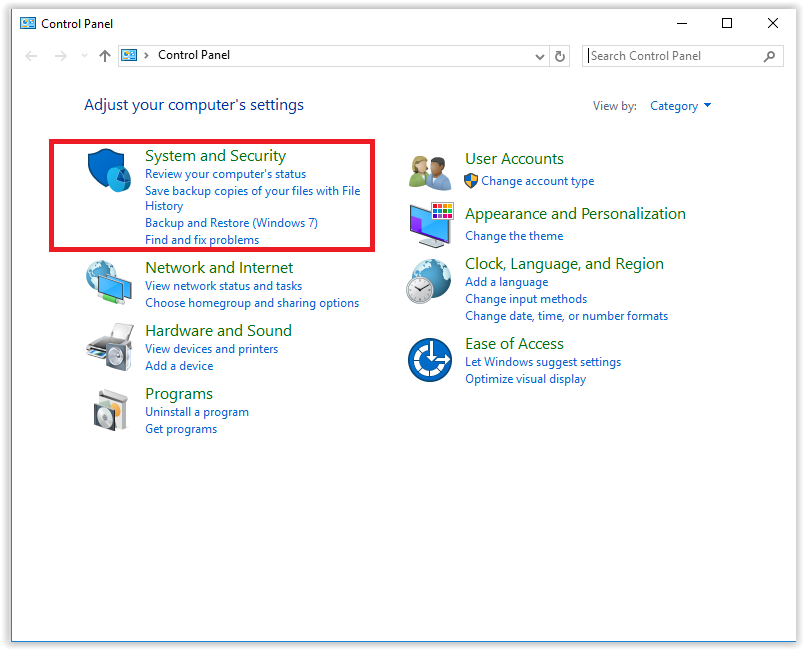
How to Create a VPN Server with Your Router
- Log in to your router admin panel through a web browser
- Search the VPN area and analyze the available protocols (In case your router is compatible with OpenVPN then you can use it. If it does not you can activate PPTP)
- For the OpenVPN Option
- Create an OpenVPN certificate
- Export your OpenVPN setup file
- Upload the OpenVPN in a safe place
- Activate the VPN server
For the PPTP Option
- Create the Username and Password you need to connect to the server PC
- Activate the VPN server
- Find out your public IP address from Google and note it down
If you are using a dynamic IP address, register for a dynamic DNS server and use it for remote desktop and VPN connections. You may also need to acquire a static IP address from your internet service provider.
Still, you can configure a secondary IP address and convert it to static. Without a static IP address, your devices will not connect remotely to the PC when the IP address changes.
Configure VPN Connection on a Client PC
- For PPTP (Point-to-Point Tunneling Protocol)
- Click the Start Button on Windows 10 or press Win key
- Type VPN settings then press Enter on your keyboard
- Click Add a VPN connection and configure the following
VPN provider to Windows
Connection name to any display name.
Server address or name to the public IP address of your server PC.
VPN type to PPTP
Type of sign-in info to User name and password.
Username, and Password to the account info you included in the PPTP router panel.

- Check the Remember my sign-in info box
- Click save
- Choose the VPN connection and click connect
If your PPTP connection fails, try to troubleshoot the issue
For the OpenVPN Option
- Download OpenVPN GUI for Windows 10
- Install the tool using default settings
- Download the OpenVPN configuration file you made from the router panel
- Right-click on the OpenVPN GUI systray symbol and click Import file
- From your router, choose the OpenVPN configuration file
- Right-click on the OpenVPN GUI systray symbol and select Connect
- In case OpenVPN GUI fails on your computer. You can establish the problem and fix it with ease.
Connect to the Server PC with Remote Desktop
- Click the Start Button on Windows 10 or press Win key
- Key in Remote Desktop Connection and press Enter
- Configure your computer to the server PC name
- Click connect
- You will get a password alert. Type it down
- You are now remotely connected to another PC via VPN
Remember:
The Remote Desktop download is available for Android, Windows 10, and iOS. It facilitates remote connection to a server PC
You wrote your PC name when activating Remote Desktop Connections to the Server PC
Ensure the user account you use is the same one you granted permission to connect remotely via Remote Desktop

Remote Desktop, VPN, and a router that supports VPN connections allow you to connect to another computer from any part of the world.
Contents:
Setup Remote Desktop Connection Overview
With a unique technology — Telnet, Windows 10 Remote Desktop connection enables users to access the programs, files, and network sources of another computer reliably. As a built-in app, the Remote Desktop can be gotten from Windows Store on Windows 10 and it can be more convenient and flexible than other third-party controlling tools.
Once you have controlled another PC via a Remote Desktop connection, you can operate it, such as installing and performing the program as if you are using the PC directly.
On the basis of the great significances possessed by Remote Desktop, you must be eager to set up and use it. In this way, in the following part, this tutorial will show up how to set up Remote Desktop and how to create the Remote Desktop connection.
How to Set Up Remote Desktop for Windows 10?
In the first place, to use remote desktop connection, you should enable your remote PC desktop on Windows 10. Only with that can you use the remote desktop connection smoothly on another.
Windows 10 Remote Desktop Connection Manager
To set up Remote Desktop on Windows 10, refer to the steps below. You should make sure that both of your PC and the remote PC are set as follow.
1. Search Remote settings in the search box and click Allow remote access to your PC. Then you can get in the System Properties window.
2. Under Remote desktop tab, check Allow remote connections to this computer.
3. Click Power Options.
4. In the Power option window, choose Change when the computer sleeps.
5. Set the sleep to Never.
Above all, you have just enabled the Remote Desktop. So when the Remote Desktop Protocol on your PC is disabled by default, try to enable it by yourself with the procedures above.
How to Create Remote Desktop Connection?
As long as you set up the Remote Desktop connection for both your PC and the remote one, you now need to create Remote Desktop Connection.
1. Input Remote Desktop Connection in the search box and hit Enter.
2. click Show Options.
3. Under the General tab, enter the name of the remote computer and then click Connect.
After that, you can connect the other Windows devices to your PC via Remote Desktop Connection.
Setup Remote Desktop Windows 10
What’s more, in fact, you are able to set the Connection settings for the Remote Desktop.
How to Change Settings for the Remote Desktop Connection?
If you have turned on the Remote Desktop connection for your PC, maybe you will need to change the settings for Remote Desktop according to different situations.
In Remote Desktop Connection, navigate to Display tab, here you are able to change the Display Configuration and Color of the Remote Desktop connection.
In Local Resources tab, you can change settings for Remote audio, Keyboard, and some local devices and resources.
Meanwhile, Under Experience tab, you can change the connection speed as to optimize the Remote Desktop connection performance.
Remote Desktop Windows 10 Download
Especially in Advanced option, you are entitled to let Windows 10 warn you when you connect to the remote computer. You can set the Server authentication as Warn me. In this way, you can connect your PC to another one remotely without worrying the safety.
So as for making some changes to the Remote Desktop settings, it is feasible for you to consult the steps.
Windows 10 Remote Desktop Connection
All in all, in this passage, you will be introduced some basic facts about the Remote Desktop on Windows 10, including settings remote desktop connections and change remote desktop settings. It is beneficial for you if you know how to use Remote Desktop to connect different Windows devices remotely.
Windows 10 Remote Desktop Not Working
Related Articles: